Aug 4, 2025 | Marketing
Every Wednesday night, my family would get home, throw on comfy clothes, and unwind in the living room with a few episodes of The Andy Griffith Show.
For the uninitiated, Andy Griffith first aired in 1960 and followed the lighthearted adventures of a small-town sheriff in Mayberry. We watched every episode. Then we watched them again. Then one more time, for good measure.
Eventually, desperate for more, we cracked open the DVD bonus features and discovered something truly bizarre: Andy Griffith, beloved sheriff and father figure, hawking Maxwell House Coffee, Corn Flakes, and even Marlboros.
We didn’t watch them because we were interested in Instant Maxwell House Coffee, Corn Flakes, or the smooth taste of a cigarette. We watched them because we liked Andy.
These brands knew people would watch an ad if it included someone they liked, like Andy Griffith, and we fell for their trick.
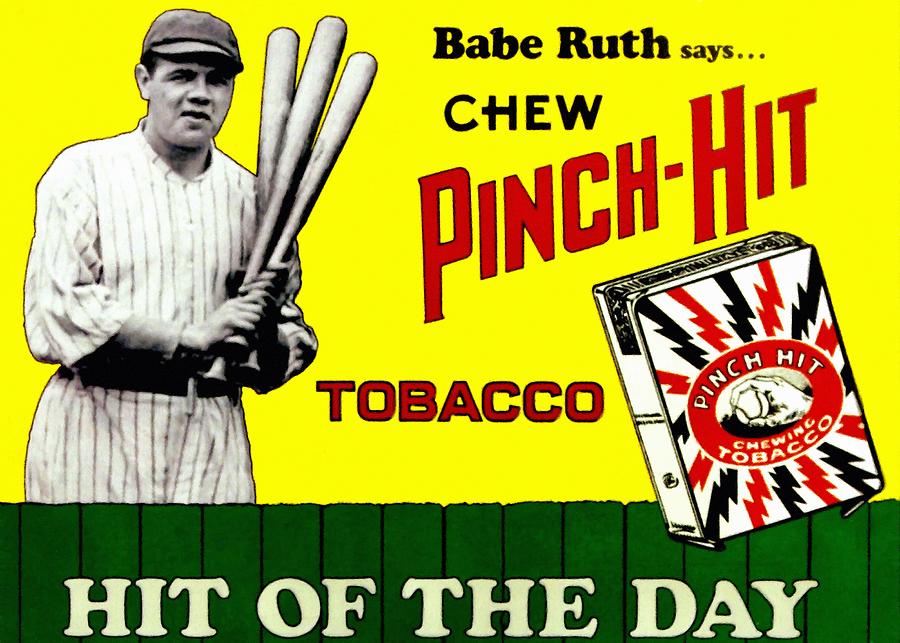
This wasn’t a novel idea, even in the 1960s. Babe Ruth shilled tobacco:
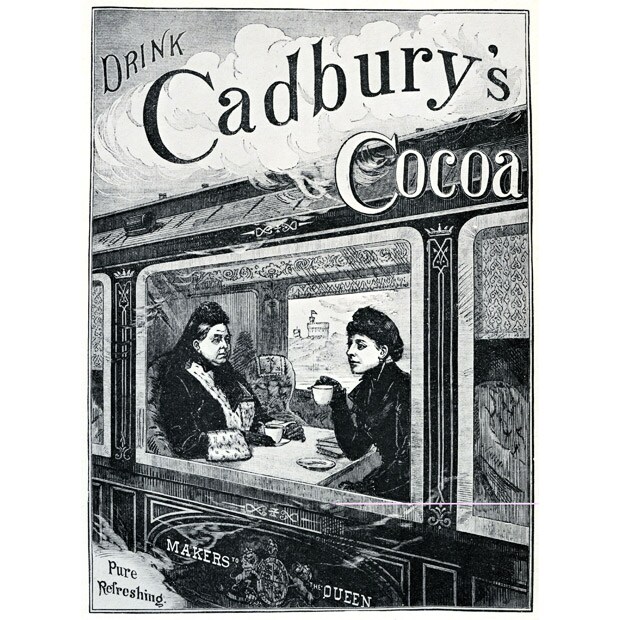
And Queen Victoria appeared in a Cadbury ad because, apparently, even royalty had to secure the bag:
Today, this is more true than ever. Every Super Bowl ad must have at least three celebrity cameos, Mr. Beast has sold over $10 million in chocolate bars, and entire product lines are being revived through influencers.
There’s nothing special about Mr. Beast’s Feastable chocolate bars. You can get the same experience from Ghirardelli, except Feastables has a face and Ghirardelli doesn’t.
Above all else, people trust people.
Before monetary currency, every transaction was a trade between people. You didn’t buy goats from McGoatCorp. You bartered with your neighbor. You traded with your friend.
Every transaction required a manual and involved conversation.
People trusted people.
Eventually, we moved to a more complex and efficient system. Instead of trading with your friend, you used currency to buy from a vendor.
But this introduced a new problem. You might not know this vendor, so how could you trust them?
Even then, you probably only had a couple of local goat farms to choose from. It wouldn’t take long to figure out which was best.
Now, it’s complicated. We have too many people selling us on too many things. We need a shortcut to filter out most of the offers so we can consider the few we’re serious about. That shortcut is trusting people we know.
When I look for a new pair of running shoes, I:
I don’t:
We’ve been burned too many times by a slick ad. We need a way to get around the marketing that is so obviously biased, so we turn to people.
90% of people trust recommendations from people they know, while only 58% trust a branded website.[1]
I trust people. If I didn’t, my shoe-buying process would take years. Each brand claims to be the best, so I’d have to climb a mountain of research to figure out who's telling the truth. I can’t buy every shoe, wear it for two weeks, then compare. I cut that work out by finding others who have done the hard work for me.
Would people be more willing to buy from you if your brand had an actual face? Probably. The best companies usually do.
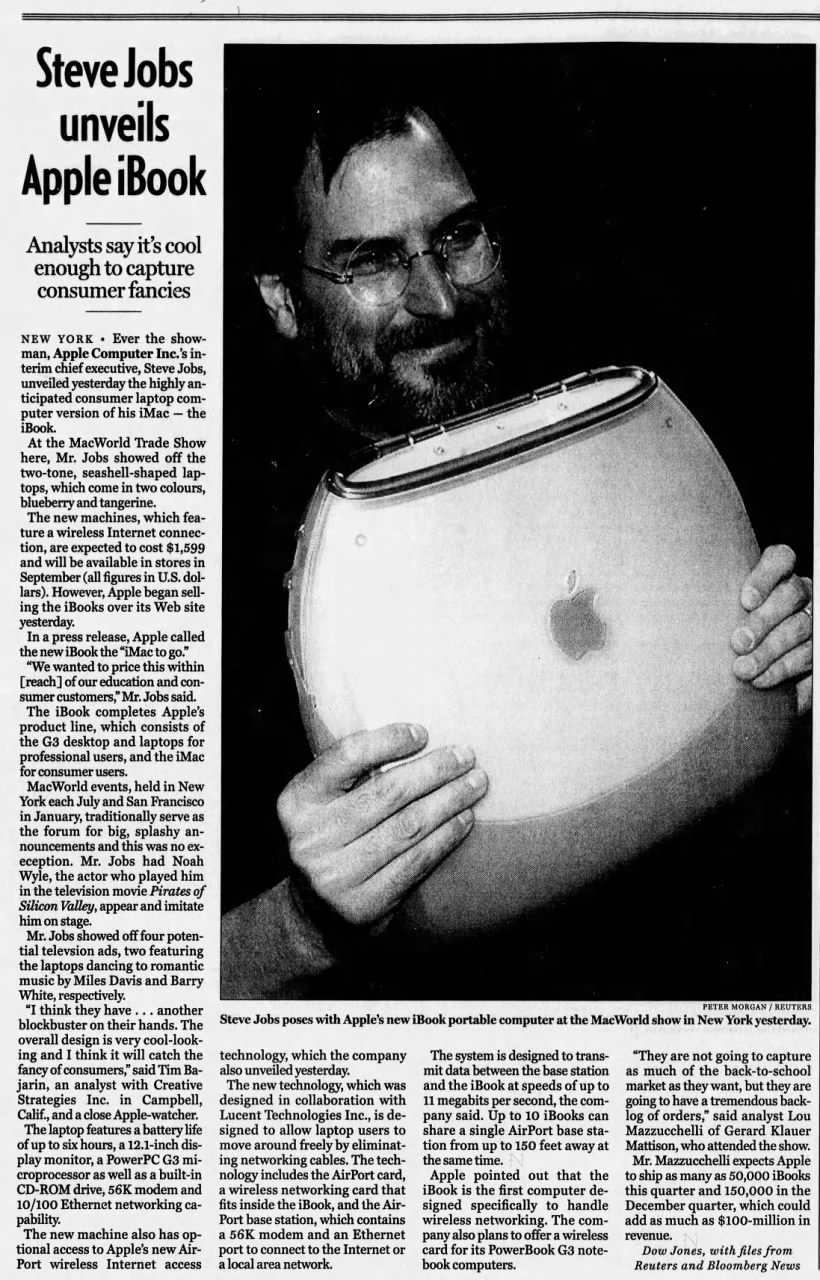
Apple was built on the face of Steve Jobs. They knew their best chance of launching a successful product was to put him at center stage and let him enrapture an audience with his story. Apple didn’t unveil products, Steve Jobs did.
So here’s the question: Do people actually want to hear from your brand on social media, or would they rather hear from you?
But this isn’t just about personal branding.
There are hundreds of touchpoints for your brand, and you should make sure as many as possible feel human:
And when you look at expanding into new marketing channels, prioritize the ones that involve people:
The company/product/brand that connects on an emotional level will always have an advantage over one that hides behind a slick logo and corporate jargon.
Remember this phrase and apply it to everything you do:
People trust people.
Get Notified When Articles Are Published